Women Are already leading. Climate Finance Must Reach Them.
Uzury Empowerment Hub
November 17, 2026
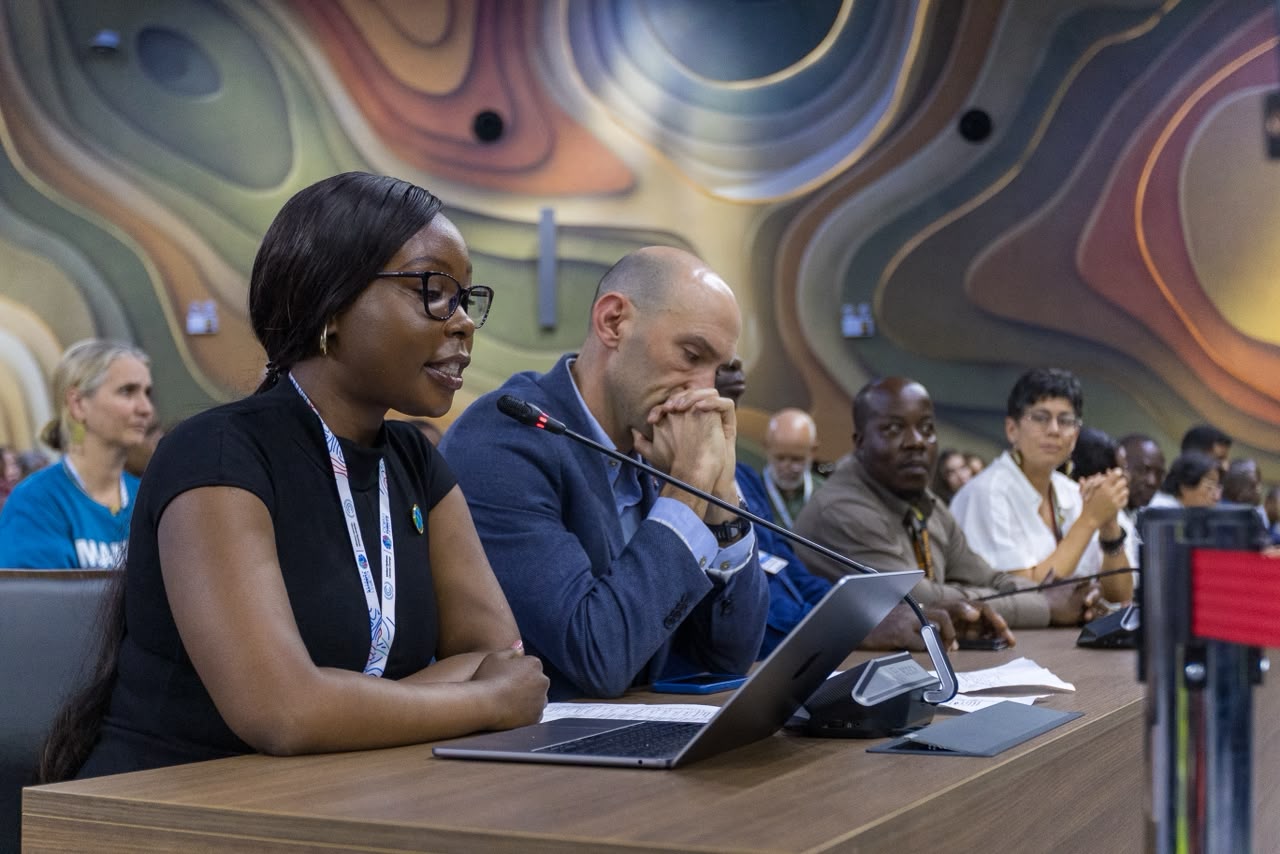
COP31’s first week shows why increasing adaptation funding must go hand in hand with changing who can access it.
For a grassroots women’s organisation, climate finance becomes useful when it can pay for something communities have identified as necessary: protecting a water source, adapting a livelihood or preparing for extreme weather. Getting from an international commitment to that local investment remains a central challenge.
At Uzury Empowerment Hub, our work connects women’s leadership, economic justice and community resilience. These priorities belong together. Women need opportunities to shape adaptation decisions, alongside the resources to implement them.
During COP31’s first week, I followed negotiations and informal consultations on climate finance, gender, National Adaptation Plans and the Global Goal on Adaptation. There was recognition of the need for stronger support. Yet important disagreements over finance, responsibilities and implementation remained unresolved.
New evidence shows the limits of current funding
UNEP’s newly released Adaptation Gap Report 2026 estimates that international public adaptation finance from developed to developing countries reached US$28.2–31.7 billion in 2024. Estimated annual adaptation needs reach approximately US$305 billion by 2035. These are global figures, but their implications are local: inadequate funding limits the support available to communities facing growing risks.
The report also finds that achieving the call to triple adaptation finance by 2035 would cover only 20–29% of developing countries’ estimated needs, after accounting for inflation. Tripling finance is therefore an important step, but it will not close the gap.
For Uzury, the question is also how funding will be distributed. Larger commitments must come with application processes that smaller organisations can navigate, support for developing proposals and funding for the people responsible for delivery. Community participation requires time, coordination and resources.
Women’s representation is improving, but influence needs attention
UNFCCC’s latest gender data offers some encouragement: women’s representation across its constituted bodies averaged 44%, up from 40% in 2025. However, only seven of 17 bodies reported achieving gender balance. These figures concern UNFCCC bodies, rather than all COP31 participants, and show that institutional representation remains uneven.
Representation also needs to translate into authority. Women should help determine which programmes receive support, how success is assessed and whether investments respond to their priorities.
This matters within communities too. Women have different experiences of poverty, disability, land access and unpaid care. Recognition during the week that Indigenous Peoples have distinct livelihoods and knowledge was welcome. Effective adaptation must respond to these differences.
What the negotiations still need to resolve
ENB’s reporting captured a significant disagreement under the Global Goal on Adaptation: developing-country parties stressed the importance of finance within those discussions, while several developed countries argued that adaptation finance belonged in other negotiating tracks. For communities, implementation depends on those discussions producing connected decisions.
Gender negotiations also included disputes over language on gender responsive finance and acknowledging progress under the Belém Gender Action Plan. By the end of the week, gender conclusions had been adopted, while National Adaptation Plans and the Global Goal on Adaptation continued into further negotiations. Adoption of conclusions should not be confused with securing the resources needed for implementation.
What Uzury wants from the second week
Our priorities are accessible adaptation funding, resources to implement gender commitments and meaningful authority for local organisations over programme design and budgets.
The next stage must also connect international outcomes with national and county decisions. Women’s groups need understandable information about funding opportunities, support to apply and ways to hold institutions accountable for delivery.
Uzury’s measure of progress is practical: women able to secure resources, implement their priorities and influence the decisions affecting their communities. That is what climate finance must make possible.
 Modern Cow Boy Hat
1 × Ksh 100.00
 Cat Eye Sunglasses
1 × Ksh 10.00


